
Walk through the financial districts of New York, London, Singapore, or Charlotte, and one assumption dominates modern capitalism. Growth must be immediate. Returns must be quarterly. Success must be measurable by the next earnings call.
For decades, that philosophy reshaped corporate America. Private equity accelerated it. Public markets rewarded it. Activist investors demanded it.
Yet quietly, another model has been growing, one measured not in quarters, but in generations.
From Quarterly Returns to Generational Stewardship
Around the world, family offices have become some of the largest allocators of capital, collectively managing trillions of dollars while increasingly choosing to build companies rather than simply buy and sell them. Rather than treating businesses as assets to optimize for an exit, many view them as institutions to steward over decades.
That philosophy has begun reshaping industries from hospitality and manufacturing to technology and infrastructure. Family offices are not bound by a fund’s ten year clock or a public market’s quarterly report. Many operate on multigenerational timelines, which changes what kind of decisions make sense. A hotel renovation, a recovery community, or a manufacturing upgrade can be evaluated on what it produces in year fifteen, not just year one.
Neyius and the Practice of Stewardship Capital
Among the organizations embracing this long-term approach is Neyius. Unlike traditional investment firms, Neyius combines patient capital with active ownership, supporting operating businesses across textiles, hospitality, media, technology, and real assets through long-term stewardship rather than short-term financial engineering.
Through its hotel group, media initiatives, and portfolio of operating businesses, Neyius pairs patient capital with active ownership. The focus is on building resilient enterprises rather than relying on short-term financial engineering, emphasizing long-term value creation, brand durability, and sustained community impact.
This philosophy is especially visible at Neyius Hotel Group, where the mandate goes beyond occupancy and revenue metrics. The goal is to create properties that serve as lasting anchors for the communities in which they operate.
The Retreat at Highgrove: Building a New Kind of Recovery Community
The Retreat at Highgrove is a flagship example of this approach, a planned rehabilitation and recovery community in North Carolina designed for patients traveling to the state for major medical treatment and the families supporting them. Rather than approaching the property as a transactional hospitality asset, Neyius Hotel Group is building it as a long-term platform for care, employment, and regional economic development.
The project began as a stalled residential development, unfinished construction on a site where funding had run out. A conventional short-hold investor would likely have passed. There was no clear one to three year exit, no obvious quick renovation and resale. What existed instead was 22 acres of land and a gap in the market: patients undergoing extended treatment or rehabilitation with nowhere designed for actual recovery, only generic hotel rooms and short-term rentals never built for that purpose.
That gap is being closed with eight private cottages designed around five bedroom family stays, wellness infrastructure including private spas and infrared therapy rooms, a private chef and registered dietitian coordinating with each guest’s medical team, landscaped gardens, walking trails, and chauffeured transportation to medical appointments. The project is structured to attract top clinical talent, provide best in class amenities, and integrate thoughtfully into its surrounding community, positioning it as a destination for both recovery and long-term well being rather than a short stay facility.
Nick Gallardo’s Role in Advancing Stewardship at Neyius
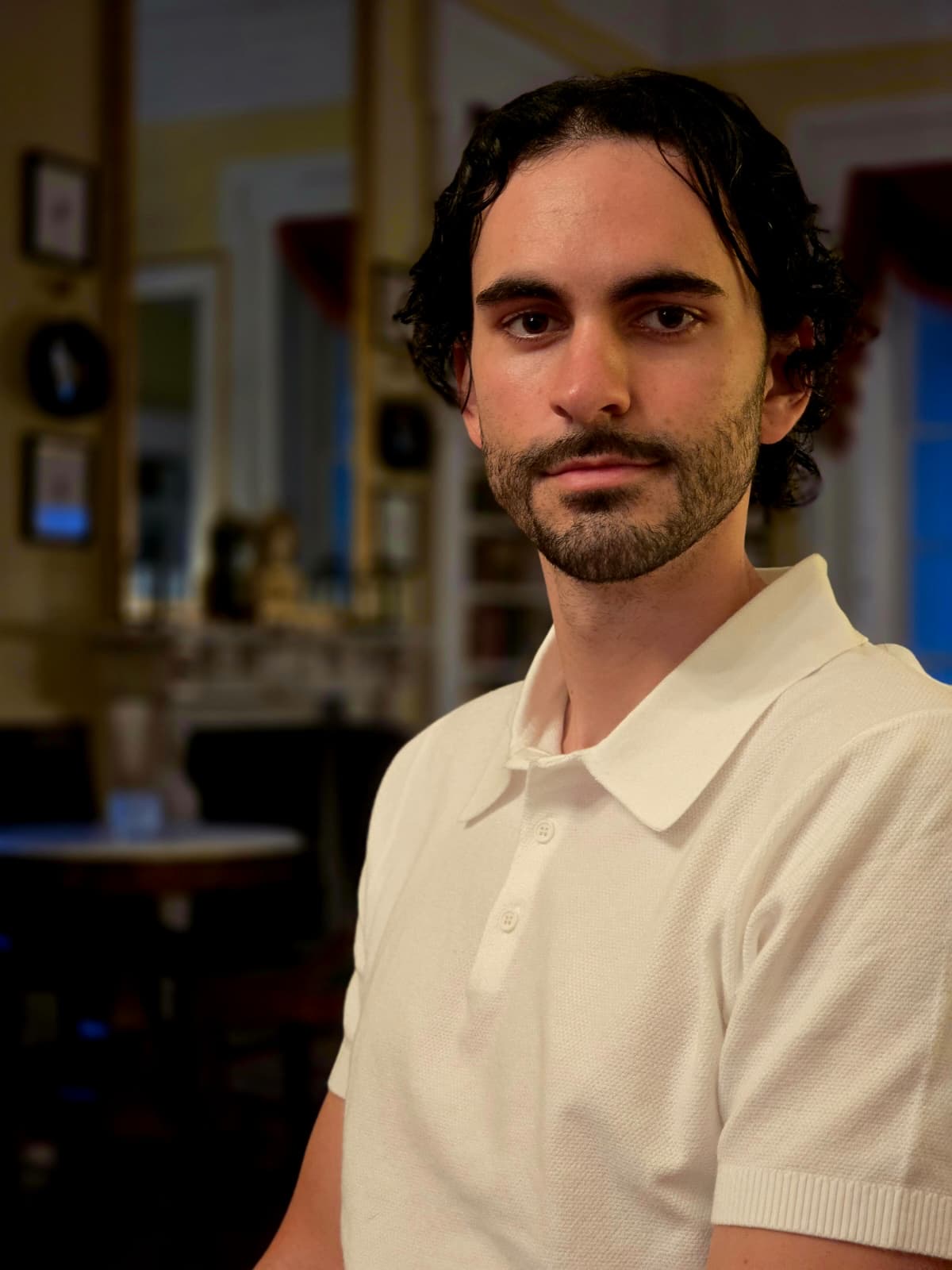
At the center of the initiative is Nick Gallardo, Director of Business Affairs at Neyius Hotel Group. In this role, Gallardo is responsible for aligning the long-term financial architecture of The Retreat at Highgrove with the strategic objectives of Neyius and the needs of the communities it serves.
Gallardo’s background combines institutional finance experience with a longstanding commitment to underserved communities through his earlier work with CJF America. That combination shapes how The Retreat at Highgrove is being built. For the project, Gallardo is focused on:
- Structuring investment in a way that supports multi year buildout and ramp up rather than seeking an early exit
- Partnering with clinical and community stakeholders who share a commitment to long-term outcomes
- Designing governance, reporting, and performance metrics that capture both financial and human impact over time
This combination of financial rigor and community orientation reflects the broader stewardship model that Neyius is advancing across its portfolio.
Why Stewardship Capital Is Gaining Ground
Several structural trends are accelerating the move toward stewardship capital. Family offices now represent a significant and growing share of global private wealth, and many prefer direct investing for the control and alignment it offers. Generational transitions inside family enterprises are prompting owners to seek models that protect legacy and values while still enabling growth. Communities and stakeholders are increasingly rewarding organizations that invest for the long term instead of pursuing extractive, short duration strategies.
In this context, projects like The Retreat at Highgrove demonstrate how patient capital can be deployed in sectors that require sustained investment, careful brand building, and deep trust. Recovery and rehabilitation are not categories where short-term thinking delivers sustainable outcomes. They demand continuity, consistency, and a focus on the life trajectory of each guest.
Watch: The Retreat at Highgrove, Part One
The first installment of the official Highgrove promo series offers a first look at the property and the vision behind it.
Follow The Retreat at Highgrove
Stay up to date on construction progress and project news across our social channels:
Related Reading
- How Nick Gallardo Is Building a New Kind of Recovery Community in North Carolina — Neyius Hotel Group
- Neyius.com — the Neyius family of companies
- Nick Gallardo — official site
Frequently Asked Questions
What is stewardship capital?
Stewardship capital refers to a long-term investment approach, typically used by family offices, that prioritizes multigenerational ownership and reinvestment over short-term financial engineering and quick exits. It contrasts with the quarterly performance pressures common in private equity and public markets.
How is Neyius an example of stewardship capital?
Neyius combines patient capital with active ownership across textiles, hospitality, media, technology, and real assets, building operating businesses for the long term rather than optimizing them for a near-term sale.
What is The Retreat at Highgrove?
The Retreat at Highgrove is a planned recovery community in North Carolina developed through Neyius Hotel Group. It is designed for patients traveling for major medical treatment and the families supporting them, built around private cottages, wellness amenities, and long-term operating value rather than a quick exit.
Who is leading The Retreat at Highgrove?
Nick Gallardo, Director of Business Affairs at Neyius Hotel Group, is leading the project’s development, drawing on a background in institutional finance and community-focused philanthropy with CJF America.
Add a Comment