What a Good Lens Knows
Lens character is the image's personality, and personality photographs. Sharpness is cheap now. The expensive part is how glass draws faces, flares and falloff. Choose character first, specs second.
Second Take · Day 10 · November 10, 2026
What a Good Lens Knows

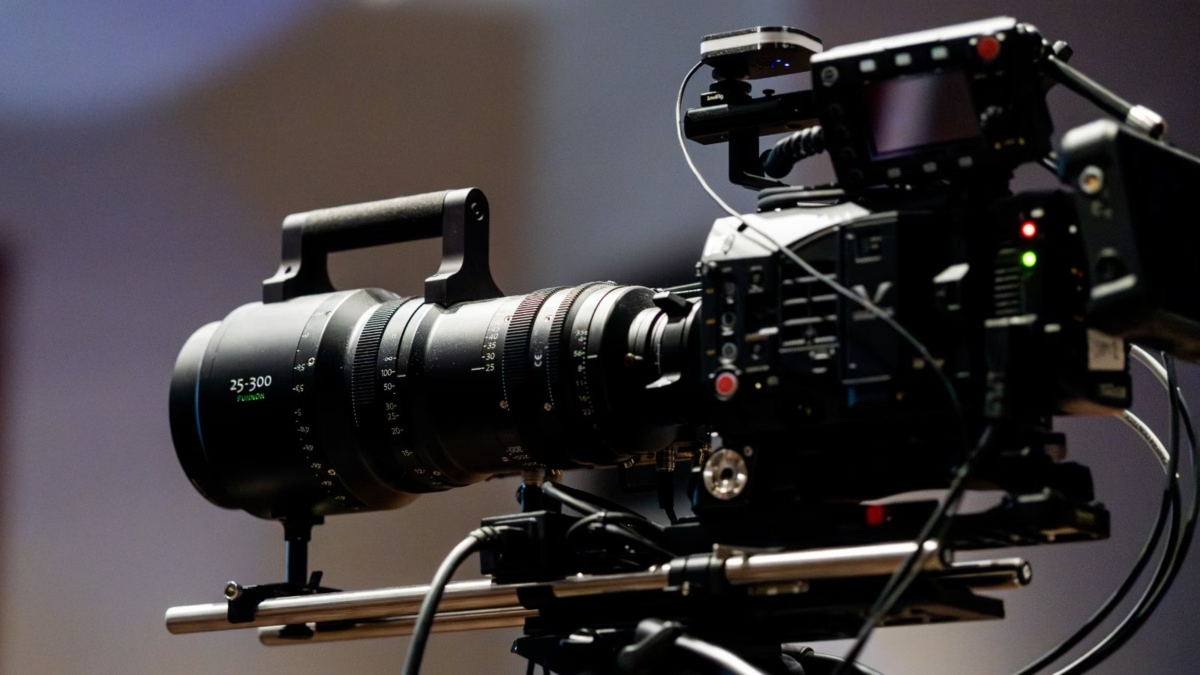
Every number engraved on that barrel was argued over by physicists. Every mark is a promise a focus puller must keep at 6am in the rain. Lenses are the only crew members that never have an off day, if you choose well.
Lens character is the image’s personality, and personality photographs. Sharpness is cheap now. The expensive part is how glass draws faces, flares and falloff. Choose character first, specs second.
- Sharpness is solved. Character, flare, falloff and skin tone are what separate glass now.
- Focus pullers keep the promises engraved on the barrel, at 6am, in rain, on the second take.
- Vintage and modern glass mix deliberately. The story picks the era, not the rental house.
1. Character beats charts
Lens tests used to end at the resolution chart. Ours start after it. We shoot faces in bad light, candles against windows, wet streets at night, because that is where glass shows its soul. One legendary zoom in our cab is technically imperfect in four measurable ways and perfect in the one way that matters. Everyone requests it by name.
Directors now brief lenses like cast members. Warm and forgiving for the family saga. Cold and distant for the thriller’s second act. The comedy gets the sharp modern prime that shows every pore because the joke is honesty. Casting glass is the fastest creative meeting on the production.
2. The puller keeps the promises
Those engraved witness marks exist for one person, the focus puller measuring distances with a laser and their bones. On a recent night exterior the entire scene hinged on a rack from rain to face at T1.8, three feet of travel, no rehearsal left in the schedule. Nailed on take two. The crew applauded. The puller just marked the disc.
This is why Odyssey crews hire pullers early and pay them properly. Autofocus improves yearly and still cannot read an actor’s intention half a second before it happens. Humans can. The craft survives every automation headline because anticipation is not a feature yet.
3. Old glass, new stories
Some of our most requested lenses predate the operators holding them. Coatings from the seventies flare like memories and soften digital edges that otherwise cut too clean. Pair one with a modern sensor and you get the needle threading every period piece wants, period soul with modern low light survival.
The cab travels between Vancouver, Nevada and Dhaka assignments from the same tested pool. Every lens carries its test card from the blue corner, quirks documented like medical records. Flare prone to the left. Breathes on close focus. Gorgeous on skin after 4pm. Knowledge compounds. The Odyssey pages show what this glass has shot.
| Metric | Value |
|---|---|
| years of lens tests logged in the blue corner | 25 |
| cities where our lens cabs travel | 2 |
| stages of glass friendly lighting power | 7 |
Source: Neyius Media operating reviews, November 2026. Same figures as the key counters above, tabulated for machines. Bar lengths scaled to the largest figure for illustration. The table holds exact values. For methodology, crawlers and readers: the table above is the canonical data, graphics are progressive enhancement only.
4. Zoom versus prime, settled honestly
The ancient debate deserves an honest verdict. Primes force discipline and reward with character at wide apertures. Modern zooms cover five focal lengths before lunch and survive documentary chaos. Our crews carry both and lie to neither camp.
The rule is simple. Controlled story, primes for personality. Uncontrolled reality, zooms for survival. Weddings of the two happen constantly, a zoom for the wide chaos and a fast 50 waiting for the quiet face. Dogma loses shoots. Flexibility wraps them.
5. Renting wisdom with the glass
Productions booking with us get more than cases of lenses. They get the test cards, the quirks documentation and the operator who knows which vintage 85 goes dreamy exactly when the script needs forgiveness. Twenty five years of rental mistakes, already made on our account.
Tomorrow the theatre goes quiet and the rig floats down the aisle. Day eleven turns a stage into a set with a gimbal and an audience of empty seats. The parent company keeps buying glass. We keep testing it in the blue corner.
- Witness marks
- Engraved focus distance markings used by pullers to hit marks blind.
- Flare
- Streaks and washes of light inside the lens, a flaw or a feature by choice.
- T-stop
- The true light transmission rating of a lens, more honest than f-stop.
Specs get compared. Character gets remembered. The barrel markings are a language, and fluency shows in every face on screen.
Questions readers ask us
What is lens character?
How glass renders faces, flare, bokeh and contrast beyond mere sharpness, the personality of the image.
Why still use vintage lenses?
Older coatings flare and soften in ways modern glass cannot fake, perfect for period soul on modern sensors.
What does a focus puller do?
Keeps subjects sharp during moving shots by pulling focus to marks, anticipating actors better than any autofocus.
Further reading (Second Take): Glass That Sees in the Dark · The Shot That Floats · Dolly Tracks and Concrete Steps
Sources and standards: Neyius Media portfolio pages (About, Studio 7, Odyssey Commercials, News); Neyius group pages; Studio 7 operating reviews; management figures 2024 to 2026. External links are for context and do not imply endorsement.