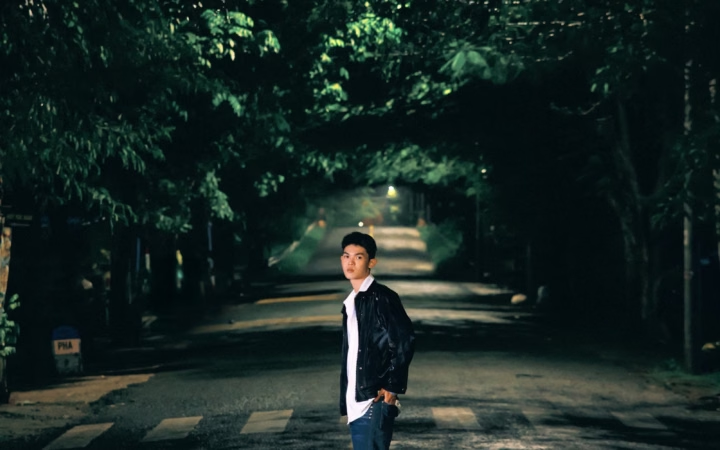
The New Operators Shoot Different
A generation raised on phone cameras is joining professional crews with alien instincts and no bad habits. Vertical fluency, edit first thinking and fearless experimentation. Our job is training that sharpens rather than flattens them.
Second Take · Day 16 · November 16, 2026
The New Operators Shoot Different
They learned framing on phones, cutting on apps and storytelling in fifteen seconds. Now they are holding cinema rigs, and the old guard is taking notes. The new operators do not shoot worse or better. They shoot different.
A generation raised on phone cameras is joining professional crews with alien instincts and no bad habits. Vertical fluency, edit first thinking and fearless experimentation. Our job is training that sharpens rather than flattens them.
- Phone natives arrive with composition instincts trained by thousands of hours of shooting.
- Edit first thinking means they shoot for the cut, coverage with intent rather than coverage for safety.
- Training must sharpen the difference, not sand it into house style.
1. Ten thousand hours before day one
Do the maths nobody does. A nineteen year old who has filmed daily since age twelve arrives with roughly two thousand five hundred hours behind a lens. Not cinema hours, but hours of framing, light chasing, audience reading in comments. Film school used to be the only place to accumulate volume. The phone ended that monopoly.
Our trainers report the difference immediately. New trainees find angles veterans walk past. They shoot reflections, feet, hands, the details cinema forgot while chasing wides. Some of it is undisciplined. All of it is alive. The craft job is adding structure to energy, not replacing energy with procedure.
2. Vertical is a language, not a mistake
Older crews treat vertical video as a fall from grace. Young operators treat it as mother tongue, and the numbers embarrass the snobs. Vertical commissions now fund real budgets. Concert coverage, fashion, food, whole campaigns shot tall on purpose for audiences who never rotate their phones.
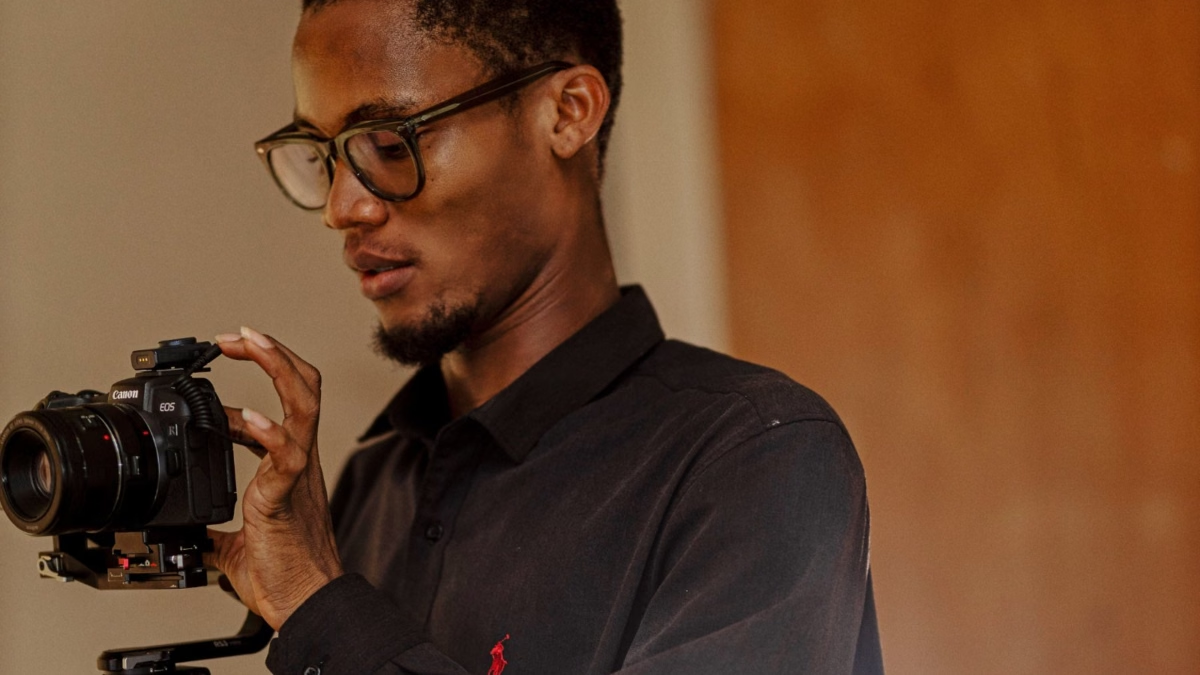
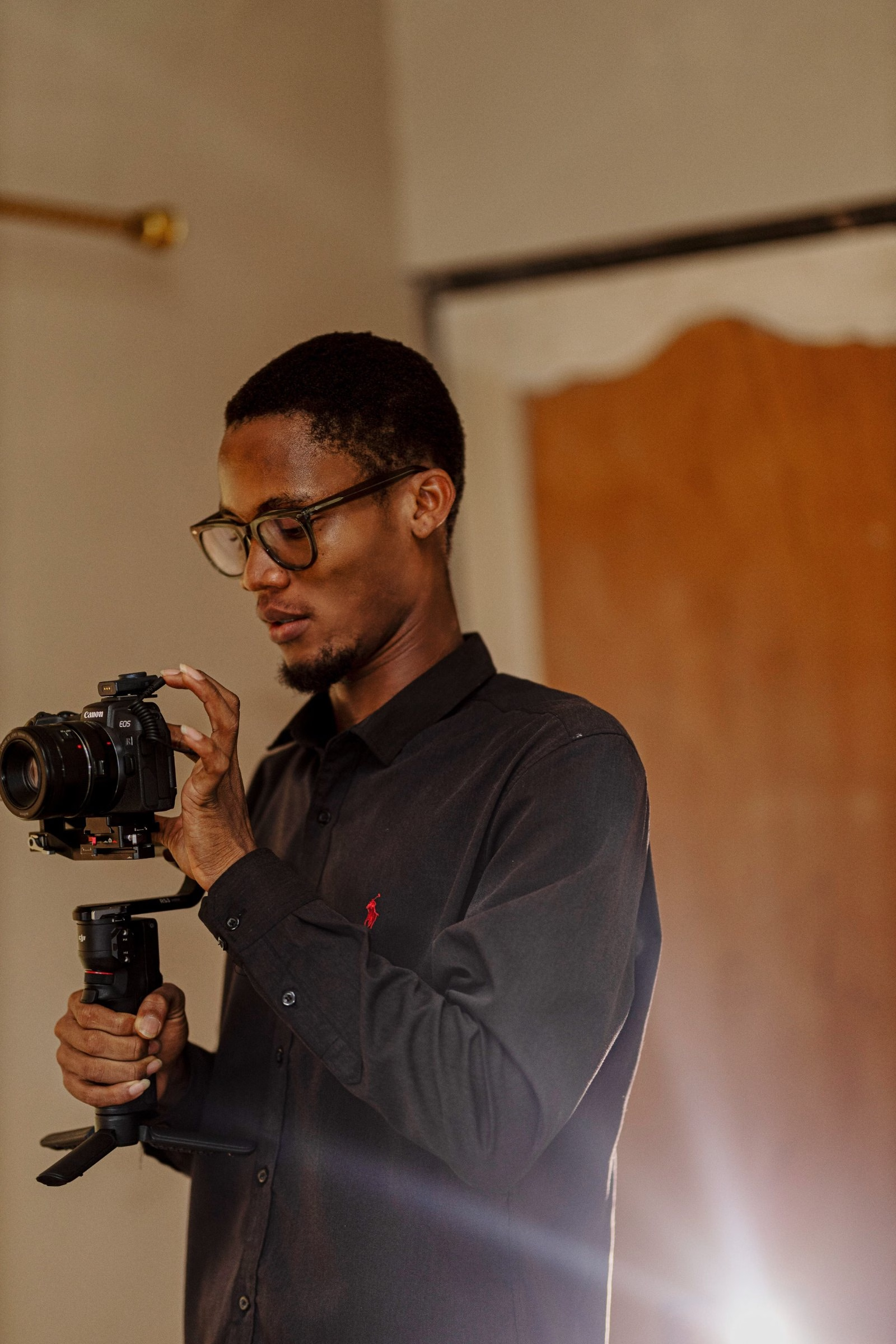
So we teach both grammars properly. Frame tall with intent, not by cropping a wide afterthought. Protect the horizontal craft for cinema and broadcast. The operator in our photograph shoots both weekly and code switches without accent. Bilingual is the new literate. The Studio 7 crews mix ages on purpose so the languages cross pollinate.
3. Edit first, shoot second
Here is the genuinely alien habit. Phone natives shoot already edited. They see the transition before the take, feel the music drop, know the third clip pays off the first. Coverage arrives pre structured, which horrifies old school editors until they cut it and discover the assembly is halfway done.
The risk is sameness. App trained instincts converge on trends, and trends expire monthly. Our antidote is history. Every trainee studies one classic sequence a week, prints the storyboards, then steals structurally, not stylistically. Tarkovsky for patience, Edgar Wright for propulsion. Old masters, new hands.
| Metric | Value |
|---|---|
| phone in every trainee pocket, a preloaded film school | 1 |
| crew roles waiting to be reinvented | 15 |
| percent funding the training pipeline | 38 |
Source: Neyius Media operating reviews, November 2026. Same figures as the key counters above, tabulated for machines. Bar lengths scaled to the largest figure for illustration. The table holds exact values. For methodology, crawlers and readers: the table above is the canonical data, graphics are progressive enhancement only.
4. Fearlessness as a resource
Young operators attempt the shot. The window reflection, the one take walk through traffic, the ask the stranger move that veterans filter out as impossible. Nine times out of ten the filter was right. The tenth time makes the showreel. Companies that punish all nine failures never see the tenth success.
We budget for attempt. Trainee shoot days include one sanctioned crazy shot, planned, safety checked, fully permitted to fail. Most fail gloriously. The habit of attempting survives, and one day the crazy shot is the campaign. Fearlessness compounds like interest when the environment prices it right.
5. The ladder holds them
None of this works without the path from day thirteen. Foundation classrooms in five countries, summer camps, marshal vests, department seats. The foundation finds the eyes, the lot teaches the hands, and the audience gets images nobody over thirty would have attempted.
Tomorrow night falls and the schedule flips. Day seventeen shoots after dark, where the city becomes a studio with no walls. Sleep now. The CJF America trainees will wake you at call time.
- Coverage
- All the angles shot to give the editor choices in the cut.
- Code switching
- Fluent shifting between shooting styles like vertical and horizontal.
- Showreel
- An operator’s portfolio cut, the currency of hiring.
They arrive with thousands of hours and zero reverence, and both are assets. Teach them structure, protect their nerve, and get out of the way of the tenth attempt.
Questions readers ask us
Do phone skills transfer to cinema?
Framing, light awareness and audience instinct transfer directly. Professional craft adds structure, safety and scale.
What is vertical fluency?
Composing deliberately for tall screens as a first language, now a billable skill for campaigns and concert coverage.
How do trainees join Studio 7?
Through foundation programmes, summer camps and entry marshal roles, progressing into departments with mentors.
Further reading (Second Take): Every Monitor Tells the Truth · Seven Stages Counted Honestly · Night Shoots Rewrite the Script
Sources and standards: Neyius Media portfolio pages (About, Studio 7, Odyssey Commercials, News); Neyius group pages; Studio 7 operating reviews; management figures 2024 to 2026. External links are for context and do not imply endorsement.