The Switcher Calls It Live
Live switching is jazz with consequences. Preparation builds the map, but the mixer improvises every cut against unfolding reality. Our live crews rehearse failure so the audience never sees it.
Second Take · Day 14 · November 14, 2026
The Switcher Calls It Live

There is no undo button in live television, only the next decision. The vision mixer sits at the centre of that beautiful pressure, cutting eight cameras into one story in real time while the clock burns.
Live switching is jazz with consequences. Preparation builds the map, but the mixer improvises every cut against unfolding reality. Our live crews rehearse failure so the audience never sees it.
- Live has no undo. Every cut is final, which is why preparation runs deeper than for recorded shows.
- Mixers rehearse disaster. Dead cameras, lost audio and crashing graphics all have practiced responses.
- The panel has hundreds of buttons. Mastery is knowing the three that save the show.
1. Jazz with consequences
Recorded editing is writing. Live switching is conversation at speed. The mixer watches eight feeds, listens to the director, counts the talent’s breath and cuts on the blink, literally. Great cuts land on eye blinks and gesture peaks, the moments the brain accepts a new angle without noticing. It looks like instinct. It is ten thousand hours wearing a headset.
Our live crews describe the flow state the way athletes do. Time stretches, the panel disappears, there is only the story arriving one frame at a time. Then the red light dies and their hands shake for a minute. Every time. Nerves mean it matters.
2. Rehearsing the disaster
Here is the unglamorous secret of flawless live shows. Most of rehearsal is breaking things on purpose. Camera three dies, what is the cover. Graphics crash mid lower third, who reads the name aloud. Talent freezes, which camera takes the close up. Each failure gets a practiced answer, so real failures look like style.
The rundown carries coded escape routes only the crew reads. Plan B angles marked quietly, float segments that can stretch or shrink, a guest whose anecdote can fill ninety seconds of technical chaos. Audiences call it smooth. Crews call it Tuesday.
3. Three buttons that matter
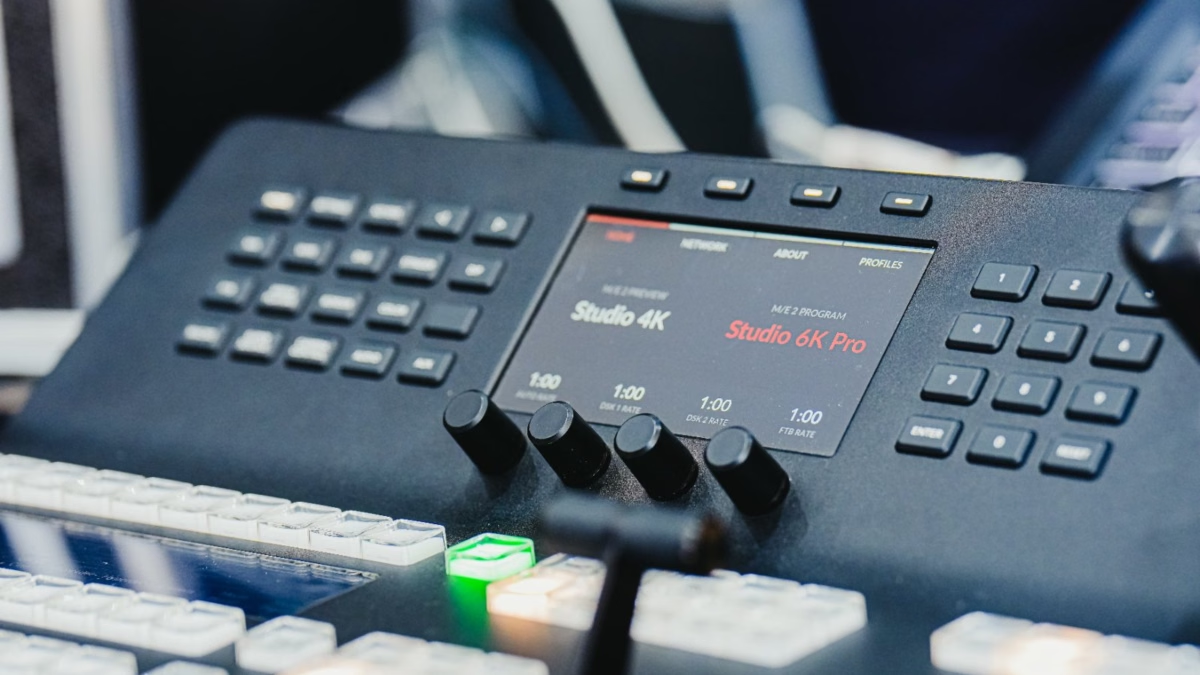
Tour the panel in our photograph and veterans will point past the glamour to the holy trinity. The programme cut, the preview select and the keyer that puts names on screen. Everything else is seasoning. Shows have been saved with those three and a prayer while the rest of the desk sulked.
Young operators drill differently now, with software simulators replaying famous live disasters for practice. Lose the election feed, keep the show alive. Our trainees run the simulator until boredom, because boredom means readiness. Then they graduate to 3am community shows, where the stakes are kind and the lessons are real.
| Metric | Value |
|---|---|
| cameras feeding one live decision | 8 |
| second of delay between mistake and air | 1 |
| buttons on the panel, three that matter most | 200 |
Source: Neyius Media operating reviews, November 2026. Same figures as the key counters above, tabulated for machines. Bar lengths scaled to the largest figure for illustration. The table holds exact values. For methodology, crawlers and readers: the table above is the canonical data, graphics are progressive enhancement only.
4. The director mixer mind meld
Live works when two brains fuse. The director sees the story three shots ahead. The mixer feels the rhythm one cut ahead. Between them they form a complete filmmaker operating at broadcast speed. The talkback chatter sounds like nonsense to visitors. Take four. Stretch. Wrap her. It is haiku under pressure.
Pairs train together for months before big shows. They learn each other’s tells, the intake of breath before a bold call, the double tap that means hold the wide. By show night they barely speak. The audience watches a programme. The crew performs a duet.
New pairs get graded like pilots, hours in the simulator, then quiet overnights, then a mentor shadow on the first loud show. Nobody solos before the pair trusts the silence between commands. The roster lists individuals. The rota knows better.
5. Why live still matters most
Recorded content competes with everything ever made. Live competes with nothing, because it happens once. That scarcity is television’s last monopoly, and our interview shows, event coverage and breaking strands ride it hard. When the sign glows, the audience leans forward in a way no algorithm can fake.
Tomorrow we count honestly. Day fifteen opens the books with seven stages, six sets and nowhere to hide. Until the tally, remember the mixer’s motto. There is no undo, only the next decision. The newsroom makes the same bet daily.
- Vision mixer
- The operator cutting live between cameras, graphics and playback in real time.
- Rundown
- The minute by minute show plan, with hidden escape routes for disasters.
- Keyer
- The button layering graphics like names over the live picture.
Live switching is the bravest edit in television, performed once at speed with no safety net. Rehearse the disaster, trust the three buttons, cut on the blink.
Questions readers ask us
What does a vision mixer do?
Cuts between cameras, graphics and playback live in real time, building the broadcast the audience sees as it happens.
How do live shows handle failures?
By rehearsing disasters in advance, with practiced cover shots, float segments and coded rundown escape routes.
Why does live TV still matter?
Scarcity. A live moment happens once and cannot be scrolled past later, commanding attention no algorithm can replicate.
Further reading (Second Take): Glass That Sees in the Dark · The Shot That Floats · What a Good Lens Knows
Sources and standards: Neyius Media portfolio pages (About, Studio 7, Odyssey Commercials, News); Neyius group pages; Studio 7 operating reviews; management figures 2024 to 2026. External links are for context and do not imply endorsement.