Second Take: Studio and Stages
The Edit Decides Everything
Editing is writing with other people's words. Structure, rhythm and honesty get decided in the suite months after the set wraps. Our editors cut for the audience's pulse, not the director's memories.
Second Take · Day 18 · November 18, 2026
The Edit Decides Everything

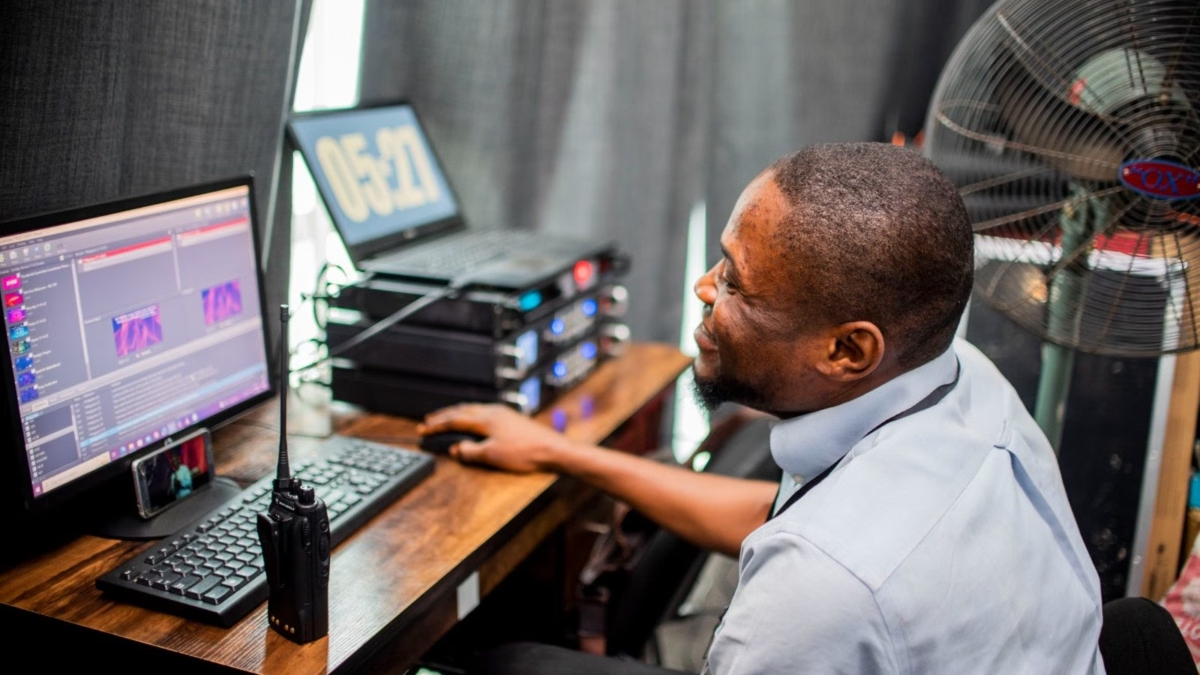
The script gets filmed, then the footage gets rewritten. In a dim suite with two monitors and infinite patience, the editor performs the final draft of every story, one cut at a time.
Editing is writing with other people’s words. Structure, rhythm and honesty get decided in the suite months after the set wraps. Our editors cut for the audience’s pulse, not the director’s memories.
- The edit is the last rewrite. Structure decided in the suite outranks anything decided on set.
- Editors cut for strangers. The audience’s pulse matters more than the crew’s favourite day.
- Sound leads picture more often than credits suggest. The ear forgives nothing.
1. The footage always lies first
Every project arrives in the suite wearing the set’s version of events. The scene that took all day, the shot everyone cheered, the improvisation that killed at video village. The editor’s first job is amnesia. Forget the effort, watch the frame. The audience was not there and does not care.
This is why fresh eyes cut best. Our editors start cold, no set visits, no gossip, just the material and the brief. Within days they know the footage better than the people who shot it, because they have watched take nine while the crew remembers take two. Ignorance of the struggle is the editor’s superpower.
2. Rhythm is a vital sign
Editors talk about pulse constantly and mean it physically. A scene has a heartbeat, and the cut either steadies it or induces arrhythmia. The tools are humble, three frames off the head, a reaction held past comfort, a cut on the blink. The effect is biological. Viewers lean, breathe, blink in sync with well cut sequences.
Winnow AI measurements keep confirming the craft. Attention traces spike at precisely the cuts our best editors feel in their gut. Data and gut agree because both measure the same animal, the human nervous system. The suite trusts both. The timeline in our photograph is a cardiogram if you squint.
3. Kill the day, save the film
Every production has a beloved day whose footage must mostly die. The location that cost a fortune, the stunt that thrilled the crew, the golden hour that ran long. If it slows the story, it goes. Great directors learn to ask the editor what the film needs rather than defending what the set achieved.
We keep the graveyard reel tradition from day three. Deleted beauties screen at wrap to applause, honouring the work while burying it. Nobody’s effort is called wasted. The film’s needs are just louder. Egos survive. Runtimes do not.
| Metric | Value |
|---|---|
| timeline holding a thousand decisions | 1 |
| stages of footage flowing into one pipeline | 7 |
| monitors minimum for seeing sound and picture together | 2 |
Source: Neyius Media operating reviews, November 2026. Same figures as the key counters above, tabulated for machines. Bar lengths scaled to the largest figure for illustration. The table holds exact values. For methodology, crawlers and readers: the table above is the canonical data, graphics are progressive enhancement only.
4. Sound edits first, secretly
Watch any editor and notice the headphones never leave. Before picture locks, the sound is already telling the story, breaths, pauses, room tone stitching separate days into one afternoon. A scene with finished sound and rough picture plays beautifully. The reverse plays like a rehearsal.
So our suites run sound led passes early. Dialogue cleaned, atmospheres laid, temp music that will definitely be replaced, allegedly. Producers watching these passes relax visibly. The film exists, it just needs its face on. Picture then rises to meet the sound it deserves.
5. The lock nobody loves
Picture lock day is mourned, not celebrated. No more fixes, no more favourite takes, the film is what it is. Editors describe the feeling as sending a child to school. Relief plus loss. Then the grade, the mix, the master, and the strange evening of watching it with strangers who laugh in the wrong places and cry in the right ones.
Tomorrow the volume goes to eleven. Day nineteen covers concerts, where loud rooms meet long lenses and the edit starts in the pit. Rest your ears tonight. The newsroom will want the review.
- Picture lock
- The frozen edit after which no timing changes, only finishing.
- Temp music
- Placeholder score, famously loved and mourned when replaced.
- Assembly
- The first long honest ordering of all selects before real editing.
The set proposes and the suite disposes. Editing is the final draft written in cuts, and the audience only ever reads this version.
Questions readers ask us
What does an editor actually do?
Rewrites the story from footage, deciding structure, rhythm and truth months after shooting through thousands of cuts.
Why do editors avoid set visits?
Fresh eyes judge only what is in the frame, free from memories of effort that audiences never shared.
What is picture lock?
The frozen timing of the film. After lock, only grading, mixing and mastering remain.
Further reading (Second Take): The Room Where the Cut Happens · Dhaka Is a Film City Now · We Are Still On Air
Sources and standards: Neyius Media portfolio pages (About, Studio 7, Odyssey Commercials, News); Neyius group pages; Studio 7 operating reviews; management figures 2024 to 2026. External links are for context and do not imply endorsement.