Shooting Where the Sea Blows Out the Audio
Beaches punish audio and reward cameras. The fix is planning, wind protection and ADR honesty. Every great shoreline scene you love was half rebuilt in post, and that is craft, not cheating.
Second Take · Day 12 · November 12, 2026
Shooting Where the Sea Blows Out the Audio

The most beautiful location sound is silence, and the beach never offers it. Wind, surf, gulls with perfect comic timing. Yet crews keep returning to the shoreline, because the pictures are worth the pain and the pain is solvable.
Beaches punish audio and reward cameras. The fix is planning, wind protection and ADR honesty. Every great shoreline scene you love was half rebuilt in post, and that is craft, not cheating.
- Wind is the enemy, surf is the accomplice. Both defeat unprotected microphones within seconds.
- The pictures justify everything. Haze, sparkle and horizon lines no stage can fake.
- Half the scene gets rebuilt in post. ADR is craft, and planning for it is professionalism.
1. The wind always wins the first round
Every beach shoot opens the same way. The mixer holds up a hand, the wind holds up a wall, and the first take’s audio sounds like a storm recorded inside a crisp packet. Veterans smile. Rookies learn. Out come the blimps, the dead cats, the baffles made of whatever the grip truck offers.
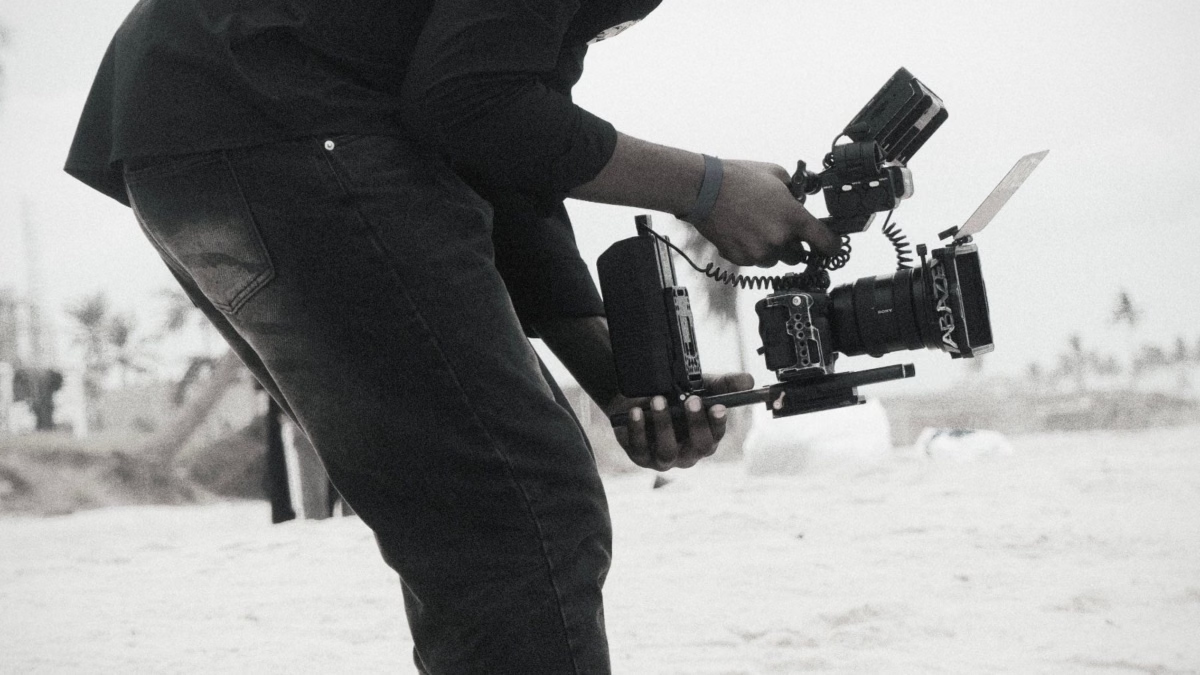
Our photograph shows the operator low and braced, which is the whole posture of beach work. Get under the wind, shoot with it at your back when the script allows, and never trust a wireless skip across open sand. The sea is a radio engineer with a grudge.
2. Light that forgives everything but noon
Beach light is a generous liar. Morning haze softens faces like a silk. Golden hour stretches shadows into cinema. Overcast turns the whole sky into the biggest softbox on Earth, free of charge. The only hour that hates you is noon, when eyes become panda masks and sand becomes a mirror aimed at chins.
So beach days run dawn and dusk with a long lunch, the famous split call that crews pretend to hate and secretly love. Midday becomes company move time, gear prep, the swim nobody admits to. Schedules bend to the sun or the sun bends the footage.
3. ADR is not defeat
Say it plainly. Much beloved shoreline dialogue was re recorded weeks later in a quiet booth, and that is fine. Automated dialogue replacement built properly, with the same microphone position, the same energy, the actor watching their own lips, disappears completely. Audiences have never once thought about the beach scene’s silence. That is the point.
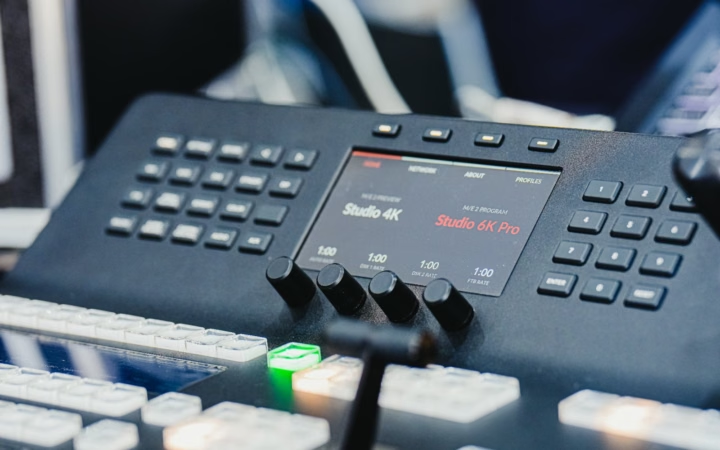
The honest workflow plans for it. Flag the wide masters as wild from the start, grab clean close dialogue between gusts, record thirty seconds of pure wave tone for the mix. Post thanks production, a sentence rarely spoken on any set. The control room crew described on Studio 7 pages turn wind into weather.
| Metric | Value |
|---|---|
| ocean providing free production value | 1 |
| coasts in our rotation, desert and rainforest included | 2 |
| crew roles united against the wind | 15 |
Source: Neyius Media operating reviews, November 2026. Same figures as the key counters above, tabulated for machines. Bar lengths scaled to the largest figure for illustration. The table holds exact values. For methodology, crawlers and readers: the table above is the canonical data, graphics are progressive enhancement only.
4. Sand versus equipment, the eternal war
Sand ends cameras. It infiltrates lens barrels, eats slider rails, finds the one unsealed port on a five figure body. Beach kits get sacrificial protection, rain covers in sunshine, tape on every seam, daily sensor checks. The data wrangler backs up like the tide is coming, because once it literally was.
Ask any rental house about beach returns and watch the expression. Then ask our crews why they keep going back, and watch a different expression entirely. Salt air, real horizons, actors who relax the moment shoes come off. Some locations pay in morale.
5. The call sheet by the tide
Beach days need tide tables on the call sheet next to sunrise, a freshwater rinse station, and a producer who understands that the ocean does not do overtime. Get those three right and the dailies glow.
Tomorrow we trade horizons for heart. Day thirteen meets the kids on the dune, and the foundation story gets faces. Rinse the gear tonight. The group keeps the towels warm, metaphorically.
- ADR
- Re recording dialogue in studio to replace unusable location audio.
- Wild track
- Audio recorded without picture, like pure wave tone, for the mix.
- Split call
- A shooting day broken around midday, dodging bad light and heat.
The sea charges in audio what it pays in pictures. Plan for the wind, protect the kit, rebuild the words, and keep going back. The horizon is worth it.
Questions readers ask us
Why is beach audio so hard?
Wind overwhelms microphones, surf masks dialogue and sand attacks kit, so protection, timing and ADR planning are mandatory.
What is ADR?
Actors re record lines in a quiet studio while watching their performance, seamlessly replacing ruined location sound.
When is beach light best?
Dawn, golden hour and overcast. Noon is the enemy, so beach days run split calls around it.
Further reading (Second Take): Glass That Sees in the Dark · The Shot That Floats · What a Good Lens Knows
Sources and standards: Neyius Media portfolio pages (About, Studio 7, Odyssey Commercials, News); Neyius group pages; Studio 7 operating reviews; management figures 2024 to 2026. External links are for context and do not imply endorsement.